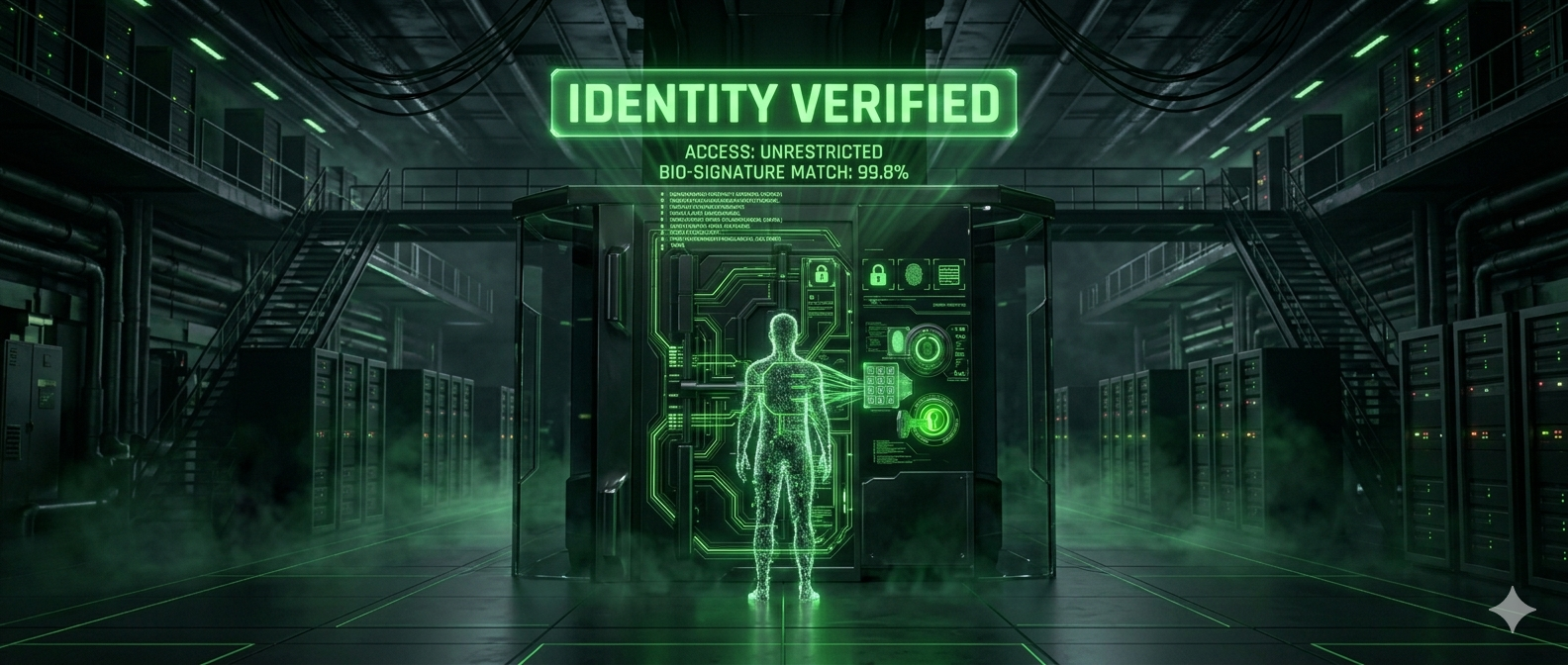
1. Authentication vs. Authorization
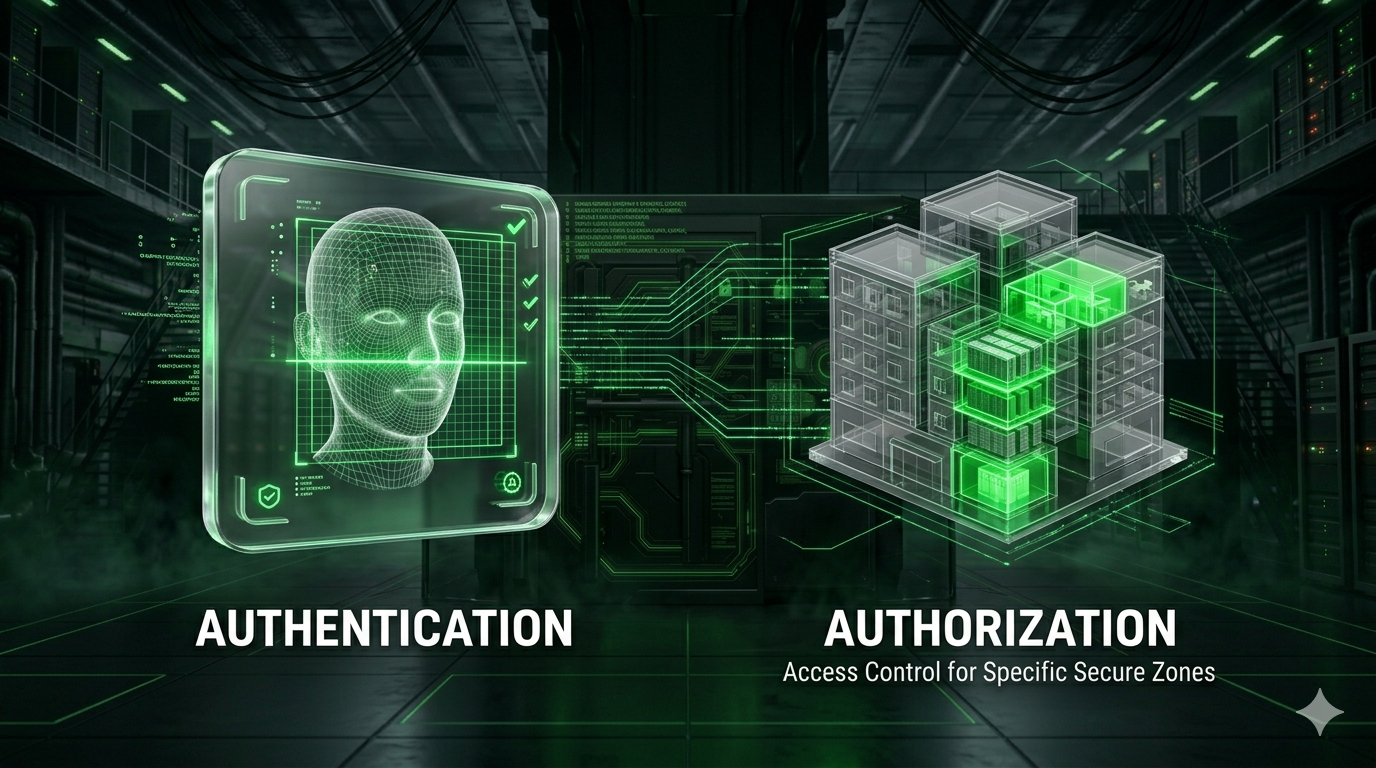
These two terms are often confused, but they serve completely different purposes. Think of it like entering a high-security building:
- Authentication (AuthN): This is showing your ID card to the guard. It answers the question: 'Who are you?'
- Authorization (AuthZ): This is your keycard having access to the 5th floor but not the basement. It answers the question: 'What are you allowed to do?'
2. How Passwords are Stored (Hashing)
Professional services never store your password in 'plain text'. If a database leak occurs, hackers shouldn't see your actual password. Instead, we use Cryptographic Hashing.
A hash is a one-way mathematical function. When you sign up, your password (e.g., 'MyVault123') is transformed into a long string of random characters (e.g., '$2b$12$Kj...').
"Password123" -> SHA-256 -> ef92b778bafe425523a9...
3. Request Signing Methods
Every time your browser talks to our server, it needs to prove it's still you. There are three main ways to do this:
Basic Authentication
The simplest method: your username and password are sent in every request header. It's easy to set up but considered insecure without HTTPS because the credentials can be easily intercepted.
JWT (JSON Web Token)
JWT is like a digital 'boarding pass'. After you log in, the server gives you a signed token. You show this token for every next request. It contains information about who you are, but it's cryptographically signed so it cannot be forged.

OAuth 2.0 (Login with Google/GitHub)
OAuth is the gold standard for 'delegated access'. It allows you to log in to Ice Vault using another service (like Google) without ever giving us your Google password.
Why this matters for your Privacy
Understanding these layers helps you realize that modern security isn't just one lock—it's a series of checks. At OAuth is widely explained on Wikipedia for those who want to see the complex flow of handshakes between servers.
Conclusion
By separating who you are (Authentication) from what you can access (Authorization) and using secure tokens like JWT, we create a platform where your identity is safe and your data is accessible only to you. This is the foundation of a true Ice Vault.