Choosing the right storage class is not just a technical decision—it's a financial one. For many users of Ice Vault, the goal is simple: keep massive amounts of data safe for years without breaking the bank.
Understanding S3 Standard
Amazon S3 Standard is designed for 'hot' data. It offers low latency and high throughput. However, this performance comes at a premium price. According to the official AWS Storage Classes documentation, Standard storage is optimized for data that needs to be accessed frequently, like active website assets or real-time analytics.
The Power of Deep Archive
Glacier Deep Archive is the lowest-cost storage class in the cloud. It is specifically designed for 'cold' data—information that you might need to access only once or twice a year.
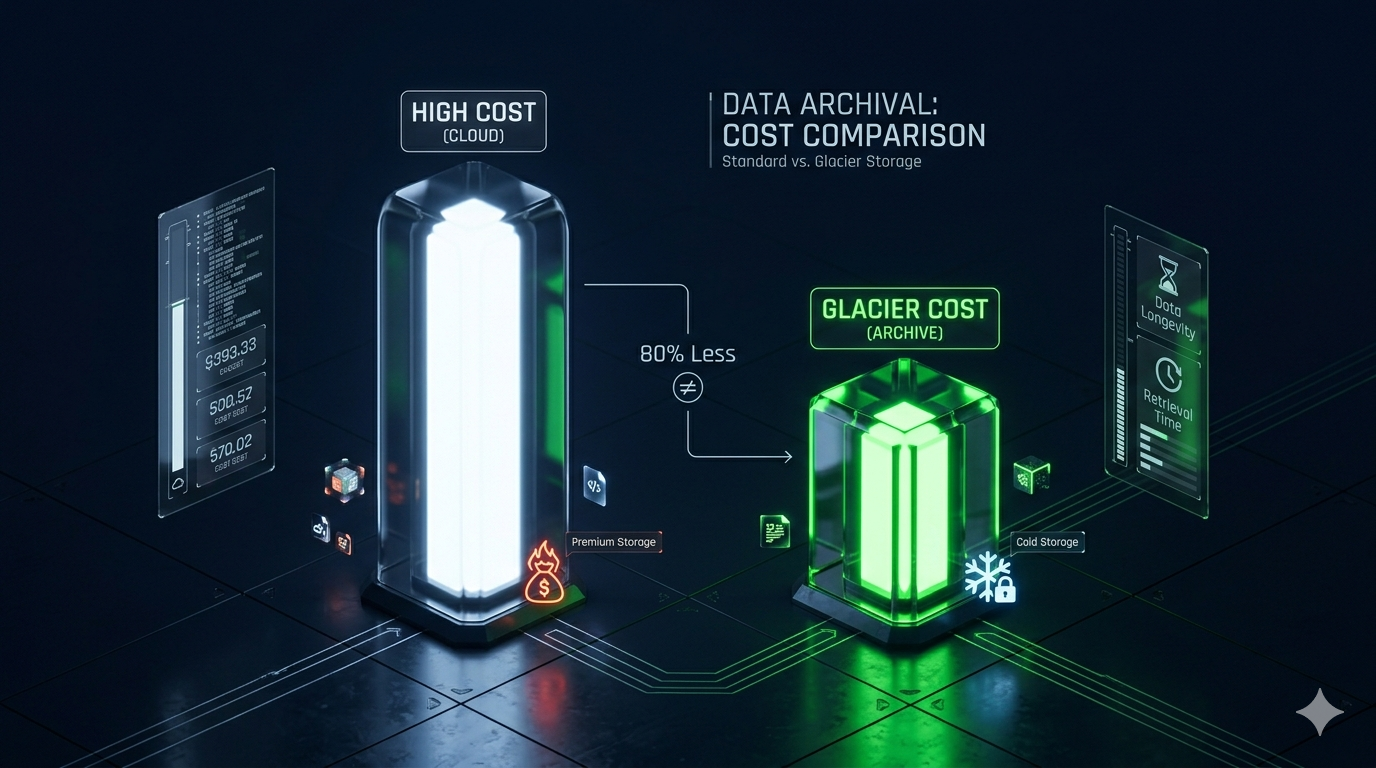
| Feature | S3 Standard | Deep Archive |
|---|---|---|
| Durability | 99.999999999% | 99.999999999% |
| Retrieval Time | Milliseconds | 12 - 48 Hours |
| Monthly Cost (GB) | ~$0.023 | ~$0.00099 |
Retrieval: The Trade-off
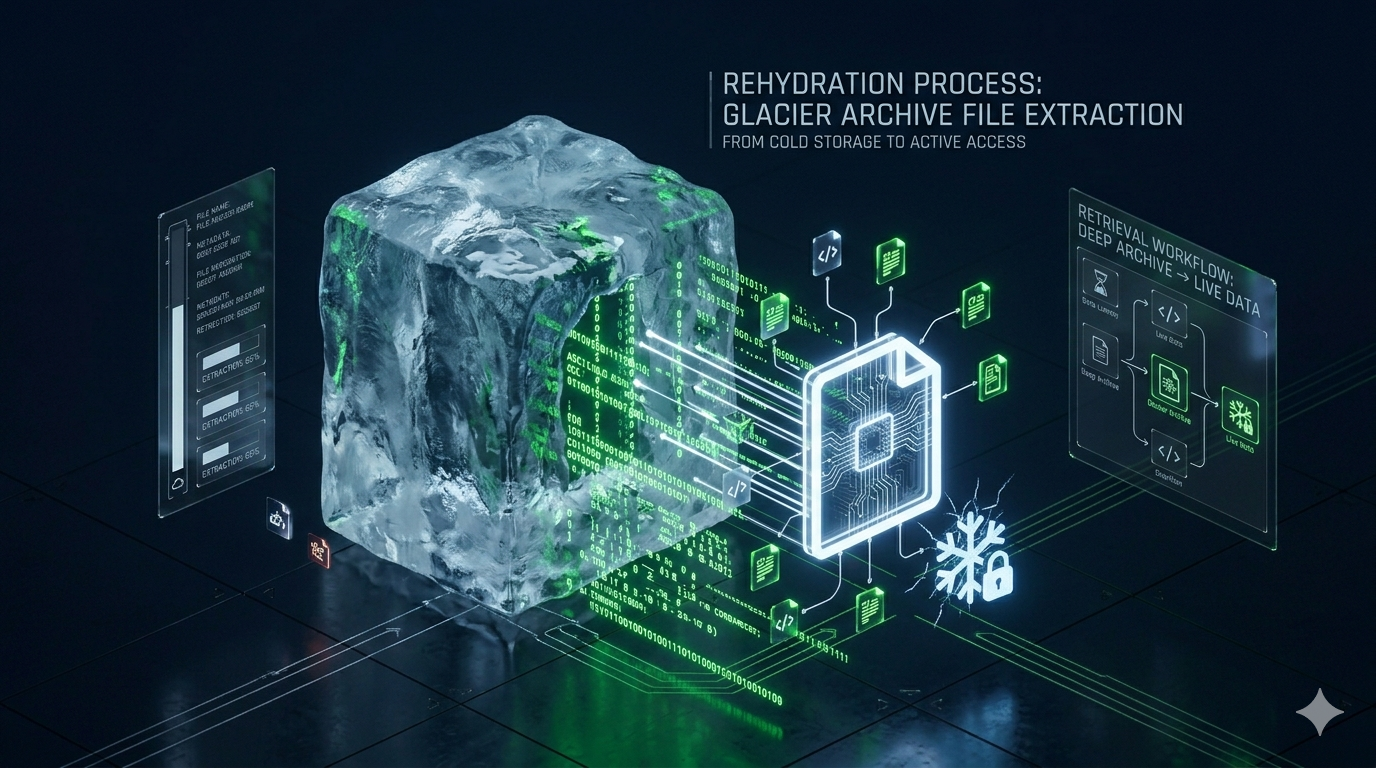
The primary difference lies in how you get your data back. While S3 Standard gives you files instantly, Deep Archive requires a 'restore' request. This process, known as Data Archiving, moves the object to a temporary 'hot' layer.
In Ice Vault, we handle this complexity for you using the s3:RestoreObject operation. Depending on the tier you choose (Standard or Bulk), your archives will be ready for download in 12 to 48 hours.
Durability and Reliability
It is a common misconception that cheaper storage is less reliable. In reality, both S3 Standard and Glacier Deep Archive provide 11 nines of durability. As noted on Wikipedia, this means if you store 10,000,000 objects, you can expect to lose only one every 10,000 years.
Conclusion
For the majority of personal and business assets—backups, raw footage, legal documents—S3 Standard is an expensive overkill. By utilizing Glacier Deep Archive within icevault.space, you achieve professional-grade security and durability at a fraction of the cost.